

 By
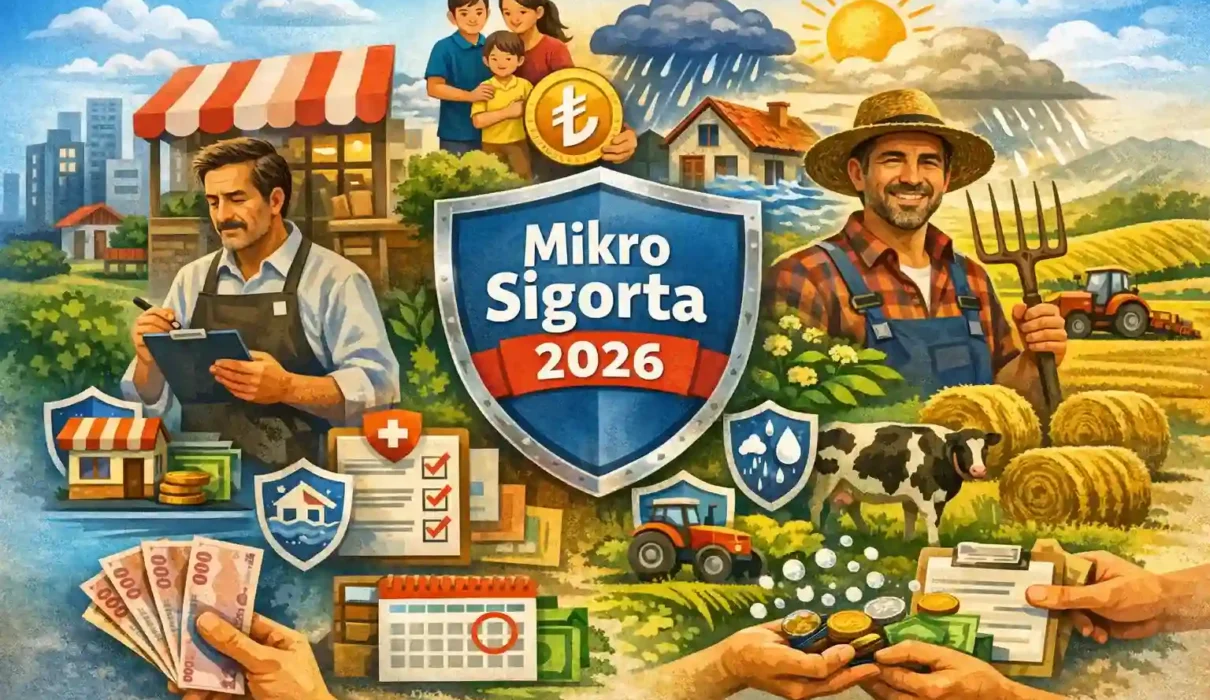
By As you explore the future of financial resilience, this Global Micro-Insurance Guide 2026 provides a comprehensive framework for understanding how accessibility, income-linked premiums, and high-velocity digital claims are transforming protection for small-scale entrepreneurs and farmers worldwide.
1. Why the “2026 Perspective” Matters in Micro-Insurance
Discover how the future of financial inclusion is being rewritten through accessible and income-aligned protection frameworks.
For many small-scale entrepreneurs and rural farmers, traditional insurance is often viewed as a “luxury” or a complex, bureaucratic expense. The barriers are systemic: irregular income streams, rigid premium payment schedules, heavy documentation requirements, and a general lack of trust in claim payout reliability. As we move toward 2026, the global shift is moving away from “one-size-fits-all” policies toward simplified, accessible, and high-velocity protection packages.
This Global Micro-Insurance Guide 2026 outlines the transition toward income-aligned protection frameworks where accessibility, rapid digital verification, and trust-based processes define the market. By moving away from complex contracts and focusing on the real-world needs of low-income sectors, we are entering a new era where protection is no longer a luxury, but a fundamental pillar of economic resilience for entrepreneurs worldwide.
2. Defining Micro-Insurance: Beyond “Small Policies”
Micro-insurance is not just a “miniaturized” policy; it is a fundamental redesign of insurance architecture.
Core Pillars:
- Micro-Premiums: Payments aligned with the cash flow reality of the user (e.g., weekly micro-payments, harvest-window payments).
- Simplified Policy Language: Two-page summary contracts focusing on “When do I get paid?” and “When am I excluded?”
- Rapid Claims Processing: Using parametric triggers (e.g., weather data) or simple photographic verification to bypass lengthy loss-adjuster visits.
3. Addressing the “Protection Gap” for the Underserved
The gap between risk exposure and financial stability in the micro-enterprise sector is driven by:
- Income Irregularity: Rigid monthly premiums conflict with seasonal harvest cycles or fluctuating shop revenue.
- Compounding Risks: Micro-entrepreneurs often face “risk stacking” (e.g., a medical emergency + equipment failure + supply chain price hikes).
- The Documentation Fear: The burden of proving loss is often so high that the effort outweighs the payout for small claims.
4. 2026 Trends in Micro-Insurance Design
According to the Global Micro-Insurance Guide 2026, the industry is pivoting toward these key innovations:
- Income-Linked Premiums: Premiums that scale dynamically based on the policyholder’s reported income tier, preventing coverage lapses during “lean” months.
- Digital “Easy-Enrollment”: Eliminating physical paperwork by utilizing national identity databases and mobile banking channels for automated enrollment and premium collection.
- Parametric Triggers: Specifically for agriculture, payouts are triggered automatically by data (e.g., satellite imagery showing drought, weather station reports of extreme rainfall) rather than manual field inspections.
5. Tailoring Protection: Key Micro-Insurance Modules
For Entrepreneurs & Small Shop Owners
- Micro-Accident & Hospital Cash: Provides a daily cash payout for hospital stays to cover lost income, not just medical fees.
- Business Interruption Support: A low-limit, rapid-payout module triggered by verified external events (e.g., localized flooding or utility failure) that force a shop to close.
- Equipment Protection: Mini-limits for critical tools or hardware malfunctions.
For Smallholder Farmers
- Yield/Revenue Shield: Protection against harvest losses linked to verified weather indexes.
- Livestock Protection: Scalable coverages for cattle or poultry loss due to infectious disease or natural disaster.
- Input Protection: Mini-coverages for seed and fertilizer investments to ensure a “fresh start” for the next cycle.
6. Critical Operational Guidelines (The “Gold Standards”)
- The 30-Second Rule: If the insured cannot understand the core payout criteria in under 30 seconds, the product is too complex for the micro-market.
- Channel Integration: Partnering with existing trust networks like local cooperatives, farmer unions, or micro-finance institutions is more effective than selling via traditional bank branches.
- Verification Innovation: Prioritizing photographic evidence, geo-tagged locations, and official meteorological data over manual damage adjustment.
7. Claim Protocol: The “Velocity” Requirement
In micro-insurance, the product is not the “policy”—the product is the speed of the payout.
| Incident Type | Standard Evidence | Payout Target |
| Hospitalization | Medical discharge papers / e-reports. | 3–7 Business Days |
| Micro-Accident | Incident log / local authority report. | 5–10 Business Days |
| Business Stoppage | Photographic evidence + closure verification. | 7–15 Business Days |
| Agri-Disaster | Regional data / geo-tagged photos. | 15–30 Business Days |
8. Conclusion: Micro-Insurance is “Right-Time Finance”
The objective of this Global Micro-Insurance Guide 2026 is to demonstrate that micro-insurance is not about “getting rich” from a claim; it is about “not getting locked out” of your livelihood. By simplifying the language, aligning payments with income cycles, and automating verification, we can bridge the protection gap for millions of entrepreneurs worldwide.